
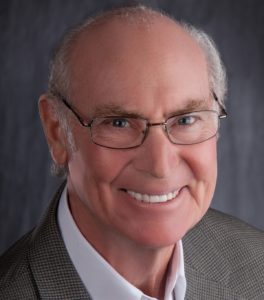
Today, Feathered Quill reviewer Ephantus Muriuki is talking with Gary D. McGugan, author of Furtive Retribution.
FQ: Suzanne first struck me as powerful, almost carrying an aura of being untouchable. Yet beneath that authority, we sense the emotional weight she is carrying. When you were creating her, how did you determine where her strength should lead the scene and where her vulnerability should quietly emerge?
MCGUGAN: Thank you for asking about Suzanne Simpson! Furtive Retribution is the eighth novel in which she appears, and the time lapse spans several years from my first mention of her in Three Weeks Less a Day to her cameo role in my latest story. In each novel, I position her as a leader who can delicately navigate the new, challenging circumstances I create. Typically, any senior executive wields both power and influence but remains human, with individual strengths and weaknesses. I think most readers will find Suzanne’s vulnerabilities reasonable and her ability to cope with them exceptional.
I determined where her strength should lead based on my long experience managing at the senior levels of international corporations. I also derive her vulnerabilities from my exposure to high-quality people I’ve interacted with over a lifetime.
FQ: The opening at Stonehurst Place introduces sudden danger. Did you envision beginning the novel with that deeply unsettling moment, and if so, what narrative or emotional tone did you want to establish?
MCGUGAN: The sudden danger is entirely intentional. It sets the tone for both the urgency and seriousness of the situations Suzanne must deal with throughout the entire story.
FQ: Serge’s tension between love and duty felt authentic rather than dramatic. Is this something that grew naturally as the story unfolded, or did you consciously shape it?
MCGUGAN: Serge’s roles evolve just as individuals evolve in the corporate world. At times, personal issues take priority. At other times, corporate issues override personal preferences, and I try to reflect that reality in each individual character’s actions and point of view throughout each novel.
FQ: What drew you to explore the unsettling notion that betrayal and compromise can originate from inside rather than outside of the very structures meant to protect us?
MCGUGAN: Unfortunately, betrayal and compromise are far more prevalent in real corporations than many realize. With the highly publicized antics of the current American government, more people are now gaining insight into how organized crime operates at the most senior levels of governments and businesses. My stories reflect my personal exposure to some of those characters from my business experiences, with names, characteristics, and circumstances obviously changed to fit a fictional storyline that I create.
FQ: What tips would you share with other authors who may be eager to write corporate dialogues that carry the same charge as an explosion like you do?
MCGUGAN: I’m not sure that I have the expertise to offer tips. Every writer shapes plots and stories based upon both experience and imagination. Although they realize they are reading fiction, I think many readers relate to my novels because it feels ‘real’ to them. If we writers focus on backgrounds and subjects we truly know and understand, I think our readers detect that knowledge and enjoy a story more.
FQ: How much of the process in writing organized crime and cyber networks involved deep research beyond your own experience and observation?
MCGUGAN: I wouldn’t categorize my research as ‘deep’. I like to read, so many of the books I explore touch on aspects of technology, crime, or behavior I draw from as I write. I like to talk to people, and it’s quite amazing how much one can ‘learn’ during a conversation on a flight, or in a bar, or a hotel lobby!
FQ: Were you in any way intentionally reflecting real-world corporate systems as you wrote?
MCGUGAN: While my plots are all pure fiction. I think the underlying risks, challenges, and dangers I introduce are not only possible but probable for most international companies and their customers today.
FQ: When readers close the final page, what do you hope stays with them the most?
MCGUGAN: When readers finish reading one of my novels, I hope they feel that I’ve challenged some of their preconceptions, encouraged them to dig deeper into company and customer relationships, and be alert to possible future vulnerabilities. I also hope they feel that my plot and writing style provided good value entertainment for their mind and spirit!


Disclosure in Accordance with FTC Guidelines 16 CFR Part 255
Copyrights © 2023 Feathered Quill Reviews All Rights Reserved. | Designed & Developed by Unglitch.io